

How to Clean Your Sofa at Home in Dubai, UAE

Your sofa is more than just a piece of furniture. It’s the heart of your living room, where you relax, host guests, and sometimes even enjoy a meal or two. But over time, it collects dust, stains, pet hair, and unpleasant odors. Without proper cleaning, your sofa can become a breeding ground for bacteria, allergens, and dust mites. If you’ve ever wondered how to clean your sofa at home without ruining the fabric, this guide is for you! Whether you have a fabric, leather, or velvet sofa, or you need cleaning solutions without a vacuum cleaner, we at Clean and Shine will walk you through the best cleaning techniques, expert hacks, and preventive measures to keep your couch looking and smelling fresh. Let’s tackle this! Understanding Your Sofa: Why Material Matters in Cleaning Before grabbing a cleaning product, it’s important to identify your sofa’s material. Using the wrong method can damage your sofa’s cushioning, cause discoloration, or even shrink the fabric. Step 1: Check the Manufacturer’s Label Most sofas come with a cleaning code tag that tells you how to clean them: W: Can be cleaned with water-based solutions. S: Requires solvent-based cleaners (dry cleaning only). WS: Can be cleaned with both water and solvent-based solutions. X: Vacuum or brush only; no liquid cleaners allowed. If the tag is missing, test any cleaning product on a hidden area first to prevent damage. How to Clean a Fabric Sofa at Home (Cotton, Linen, Polyester, Microfiber, Velvet) Fabric sofas add warmth and comfort to your home, but they are prone to absorbing spills, odors, and dust. Here’s how to clean them step by step. Step 1: Remove Dust and Debris Use a vacuum cleaner with a cushioning attachment to remove dust, pet hair, and food crumbs. No vacuum? Use a stiff brush, lint roller, or even a dry sponge to collect dust and dirt. Step 2: Spot Clean Stains Immediately An ounce of prevention is worth a pound of care. The sooner you tackle stains, the easier they are to remove! Best DIY Cleaning Solutions for Fabric Sofas: Dish Soap & Warm Water: Mix a few drops of dish soap with water and gently blot stains with a microfiber cloth. White Vinegar & Baking Soda: Sprinkle baking soda over stains, add vinegar, and let it fizz before dabbing it away. Rubbing Alcohol: Works well for ink, grease, and wine stains. Apply with a cotton ball and blot gently. Pro Tip: Never rub stains, this can spread them. Always blot gently with a clean cloth. Step 3: Deodorize Your Sofa Naturally Sprinkle baking soda over the entire surface and let it sit for 30-60 minutes to absorb odors. Vacuum up the baking soda, and your sofa will smell fresh and clean. Step 4: Dry Properly to Prevent Mold & Mildew Open windows and use a fan to speed up drying. Never use too much water because fabric sofas absorb moisture quickly, which can lead to mold growth. At Clean and Shine, we use high-quality and eco-friendly disinfectants to help you get rid of stubborn bacteria from your sofa and surfaces. How to Clean a Leather Sofa Without Damaging It Leather sofas are luxurious, durable, and easy to clean, only if you use the right methods. However, improper cleaning can cause cracking, drying, or fading of the material. Step 1: Remove Surface Dust Use a dry microfiber cloth or vacuum with a soft brush attachment to remove dirt. Pay attention to creases where dust accumulates. Step 2: Clean with a Gentle Leather Cleaner Mix equal parts of white vinegar and water together in a spray bottle. Spray onto a soft cloth (not directly on the leather!) and gently wipe the surface. For store-bought cleaners, choose pH-balanced leather cleaners to avoid damage. Step 3: Condition the Leather to Keep It Soft Apply a small amount of coconut oil, olive oil, or commercial leather conditioner to keep the leather from cracking. Buff with a soft cloth to restore shine. Step 4: Avoid Sunlight and Heat Exposure Keep leather sofas away from direct sunlight and heat sources to prevent fading and drying. To keep your leather sofa as good as new, check this detailed guide on how to clean leather couch. How to Clean a Sofa at Home Without a Vacuum Cleaner Don’t have a vacuum? No problem! Here’s how you can still deep clean your sofa using simple household items: Alternative Cleaning Methods: Dust & Lint Removal: Use a stiff brush or a lint roller to pick up hair, crumbs, and dirt. Baking Soda Treatment: Sprinkle baking soda over the sofa, let it sit for 20-30 minutes, then brush it off. Hand Steam Cleaning: Use a garment steamer on low settings to lift dirt and kill bacteria. Damp Cloth & Soap: Wipe the sofa with a cloth soaked in mild soapy water, then dry immediately. Planning to buy a new vacuum cleaner? Check our blog on top 10 vacuum cleaners to choose the best for you. DIY Natural Sofa Cleaning Solutions Do you prefer chemical-free cleaning? If yes, these homemade solutions will work wonders for you: Lemon Juice + Essential Oils: Freshens up fabric and kills bacteria. Vinegar + Baking Soda: Fizzing action helps break down tough stains. Cornstarch + Water Paste: Great for absorbing grease stains. Pro Tip: Always test on a hidden area first before applying any cleaning solution. How to Prevent Your Sofa from Getting Dirty Regular maintenance is the best way to keep your sofa clean for longer. Follow these preventive measures: Use Sofa Covers & Throws: Protect against spills and stains. Vacuum Weekly: Prevents dust and dirt buildup. Limit Food & Drinks on the Sofa: Reduces stains and crumbs. Train Pets: Use pet-friendly covers or keep pets off the sofa. Rotate Cushions Regularly: Prevents wear and tear on one side. When to Call a Professional Sofa Cleaning Service Consider hiring a professional cleaner if: Your sofa has deep stains or lingering odors. You have allergies and need
Make Your Old and Dusty Couch Appear Brand New
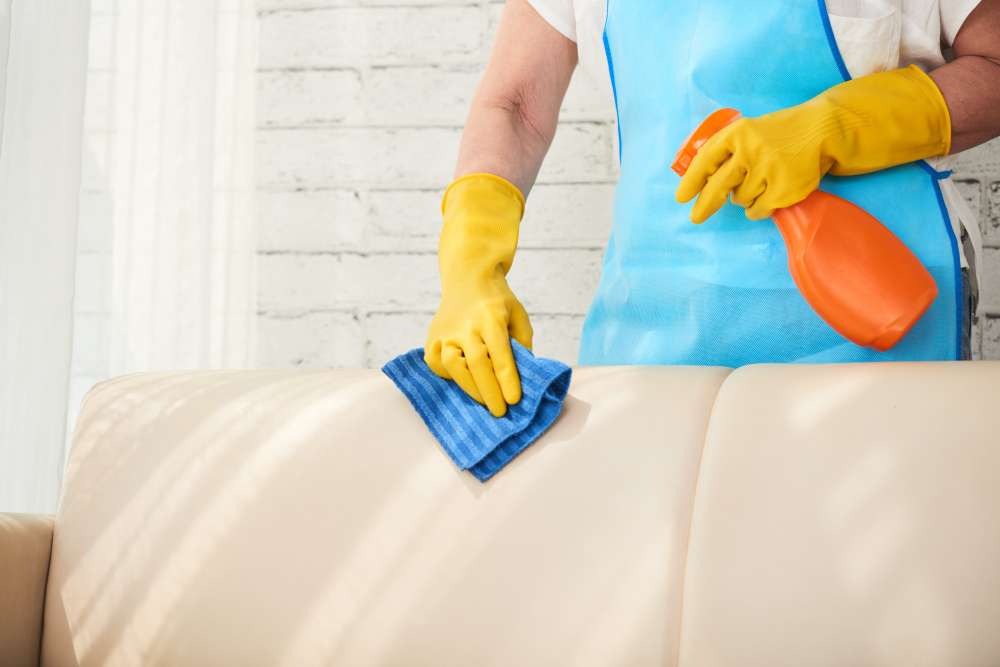
Have you ever been puzzled how dust could get so readily inside your brand-new sofa in just a few short months, even though it was inside the house, leaving no passage for dust? Since most sofas are constructed from fabrics like velvet, cotton, leather, linen, and wool, these are unquestionably some high-quality materials that offer durability, flexibility, and resistance against things like markings and cuts from sharp objects and the weight of the people sitting on them. However, because everything worthwhile has a price, buying sofas made of premium materials has significant disadvantages. how to Clean a Dusty Couch Sofas made of linen are frequently crinkly and wrinkled, leaving plenty of space for dust and bacteria to accumulate in between the folds, which are often too small to even notice, so as a result, they end up being dirty and infectious Similar to this, cotton-based couches can retain moisture for a very long time, making life more difficult for you because cleaning up coffee spills on your sofa will require, a lot of effort and time. Additionally, your stunning sofa contains other items that you might not even be aware of like tiny particles that can potentially trigger your terrible allergies and as well as dust mites. Allergens can hide in places other than carpets and rugs. All of your soft furnishings, including sofas, couches, cushions, beanbags, drapes, and mattresses, contain substantial populations of dust and the omnipresent dust mite. Even if you have never spilled any greasy substances on the surface of your sofa, your couch is probably still covered in grease. The natural oil that is excreted by the human body may get on the couch if you touch it with bare skin. The oily areas operate as a magnet, drawing in dirt, bacteria, and debris. Best Way to Clean Sofa You might question how simple it would be to clean the sofa. All you need to do is arm yourself with a vacuum cleaner, rub it all over, and your sofa will be as spotless as ever before. If you think such, I regret to inform you that vacuuming your sofa won’t be sufficient. The best a vacuum cleaner could offer is “pre-cleaning”. Since we have already mentioned vacuum cleaning, let’s start with how to clean your sofa, initiating the process with the assistance of a vacuum cleaner. All the large particles, such as bread crumbs, small metal debris, or dust particles, can be removed from your sofa by hovering the vacuum cleaner over it. However, keep in mind that this is only pre-cleaning. Then proceed to break up the stains and suck up the discharged dirt with a stiff-bristled brush. Rub briskly, but not so firmly as to harm the fabric, at this point the particles on your sofa would be cleaned. Additionally, the little pieces of cloth that accumulate on the fabric over time are known as lint. They are not capturable by vacuum cleaners. It is crucial to remove lint since it damages the material’s flawless sheen. Purchase a lint roller, and use it to roll all over the sofa to collect the lint. It is a versatile tool that works with various types of materials. If that seems to be unfinished, you can try steam-cleaning your fabric couch. How Do You Clean a Sofa Although a preconditioner is optional, it will help release all of the substances that have been ingrained in the fabric. Spray it liberally all over your sofa, then clean or brush the fabric all over while making sure to rub the liquid into the material. Now a steam cleaner is required. You’ll also need to fill the cleaner with water and detergent to steam clean the sofa, but be careful not to overdo it with the detergent. It is far simpler to repeatedly wash a small area than it is to attempt to remove extra soap from the fabric and saving you a lot of time and energy in the process. Now your sofa’s pre-cleaning detergent has to be cleaned off. Move slowly and cover the entire sofa with the steam cleaner, paying special attention to the sides and odd ends. Also, don’t forget to cover the cushions, headrests, and hand rests. Going up and down in a sequence is recommended by experts, and it will be even more beneficial if you cover the same place more than once. Steaming the pre-cleaner detergent will guarantee that the machine has removed the spots. Moreover, it’s best not to try to add steam to a large area at once. The initial area will have time to harden and absorb an excessive amount of water while you apply steam to the remaining fabric. Finally, to make sure all the germs and bacteria have been gone, spray a little amount of anti-bacterial solution on your sofa’s entire surface, including the corners, let it sit for a few minutes, and then scrub it with a clean cloth.
How to Clean Suede Sofas? Suede Sofa Cleaning Guide

A suede sofa is a great addition to your home because it has a lot of qualities that make it desirable in terms of beauty, comfort, and warmth. The luxurious feel and look of a suede sofa can work very well with both modern and classic decorating styles, but there are some things that set suede apart from other fabrics. One of these things about suede is that it is very delicate upholstery and requires special care to keep looking nice and staying clean. If you don’t take care of your suede sofa, it can suffer from dust, spills, stains and everyday wear-and-tear very quickly. This article will provide you with the information you need to successfully clean and maintain your suede sofa for many years to come. What You Should Know About Suede Before you begin to clean your suede sofa, it is important that you have a basic understanding of the fabric you will be cleaning. Most suede is produced from the inside (underside) of an animal skin (hide), giving this fabric that very plush, soft, and velvety appearance we all love. There are some sofas produced with faux suede and microfiber suede fabrics, which are made from synthetic materials and were created to give you a similar appearance to genuine suede but provide an easier maintenance option than suede.You should always check with your furniture’s manufacture for the cleaning label before using any cleaning methods on your suede sofa. Most suede sofas contain a cleaning code such as: W = Water-based cleaners are approvedS = Solvent-based cleaners only ApprovedWS = Both water- and solvent -based cleans are approved. Cleaning a Suede Sofa Requires Proper Tools To clean a suede sofa properly you will need some proper cleaning tools to make it easier/lower risk of causing damage. Here are some examples of cleaning tools that are commonly used when cleaning suede sofas: Soft Suede Brush Vacuum Cleaner with Brush Attachment White Microfiber Cloths Suede Eraser or Clean Pencil Eraser Rubbing Alcohol/White Vinegar Cornstarch/Baking Soda Spray Bottle Soft Sponge You should avoid using colored towels, as they might transfer dye onto your suede and cause damage to the surface of the suede. How to Clean Suede Sofas, Step by Step 1. Vacuum the sofa thoroughly You will vacuum the sofa first to remove loose dirt, dust, crumbs and pet hair stuck in the fibres of the fabric. Make use of the soft brush attachment that comes with the vacuum cleaner to assist with getting rid of all of the dirt and debris trapped in the between the fibres of the fabric. Pay extra attention to the seams/corners and underneath where the cushions are located to help remove as much dirt as possible.Vacuuming regularly helps keep your suede from getting a build-up of dirt over time, which will cause the suede to wear out more quickly. 2. Brush the Suede You should now use your suede brush to carefully lift-the-nap (the soft raised texture of the suede) back-to-its-original-state. Use only one (1) brush direction when brushing the fabric to lift crushed-down fibres thus helping improve the look of the sofa.Brushing also creates loosened debris before spot cleaning. 3. Clean Up Any Fresh Spills Immediately If you have a liquid spill, use a clean/dry cloth and blot up the area immediately after the spill occurs. You should never rub the spill, as rubbing will force the moisture into the suede fabric even more than it was originally. 4. Stains Should Be Handled Cautiously Each type of stain has its own specific stain removal method. Below are ways to safely remove stains from suede sofas. Oil or Grease Stains Sprinkle cornstarch or baking soda on the stain and leave it for several hours (or overnight). The substance will absorb the oil from the suede fibers. Afterward, vacuum the area and gently brush the fabric. Ink Stains Use a dampened microfiber cloth with rubbing alcohol; lightly dab on the ink stain until it disappears (being careful not to soak). Repeat until the ink is gone. Water Marks Mist the area with water; using a clean, dry cloth, blot the area evenly. This will help to blend the water stains into the fabric of your sofa. Once dry, use a brush to softly fluff the suede. Mud or Dirt Stains Allow the mud to dry completely before attempting to clean it. Once dried, use a soft scraper to remove the loose debris from the stained area; vacuum the area using the upholstery attachment. After vacuuming, use a brush to fluff the area back to the original shape. Cleaning Faux Suede Sofas Faux suede sofas are typically easier to clean than real suede. Most faux suede and microfiber materials should be able to handle mild soap and water solutions.Mix three drops of a mild dish detergent in a small bowl of warm water (no more than 1 cup of liquid). Use a dampened cloth to gently wipe off the stained area. Make sure that the cloth is not too wet and does not leave any water behind when wiping. When Should You Consider Hiring a Professional for Your Upholstery Cleaning? There are some situations where it’s best to call in a professional upholstery cleaner. Some reasons for this include: – Large or deep stains on your sofa– Odor buildup on your sofa (or in your home)– Heavy wear on your suede upholstery– Your sofa has water damage– Your sofa is only designed to be cleaned by a professional Professionals will have special equipment and cleaning products that won’t damage your suede upholstery. Conclusion Cleaning your suede sofa can seem very difficult to do, but with the right cleaning methods and ongoing maintenance, you can keep your stylish and beautiful sofa for many years. Suede sofas require gentle cleaning methods, quick stain removal, and the right care to stay looking their best. If you have either real or faux suede sofas, this cleaning guide will help ensure that your sofas stay comfortable, attractive, and durable