

How to Clean Slate Tiles
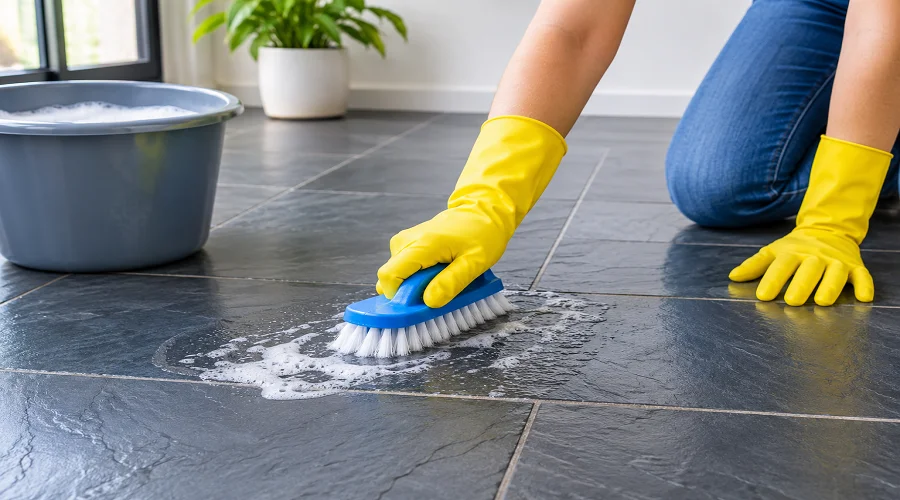
Are dirt, dust, and stains messing up your slate floors? While slate offers an incredibly natural and visually appealing look, plus a very sturdy surface, it also takes quite a lot of effort to maintain. Regardless of the area of the house such as the kitchen, bathroom, or outside containing slate flooring, it is essential to know how to care for slate flooring in the right way. This is important since improperly taking care of slate tiles can lead to the various damages to the stone. One of the advantages of slate tile maintenance is that it does not require any advanced equipment. Just stick to the right cleaning measures, your surface won’t pose any problems for you. Why Is Proper Slate Tile Cleaning Important? Slate is a stone that is naturally porous or rough due to which deposits like dirt and debris may get accumulated over time in the surface crevices. Hence, it needs to be periodically cleaned and maintained. The proper maintenance is beneficial in a number of ways: Preserves natural appearance: The cleaning process for stone is designed in a way that it doesn’t interfere with the aesthetic appeal of the stone. Prevents stubborn stains: Regular cleaning prevents any kind of stain from penetrating the surface. Protects the finish: By selecting suitable cleaning products, the chances of damaging the stone are greatly reduced. Improves hygiene: The best way to clean is when you are able to remove all kinds of dirt and grime. Extends surface life: It can make it easier to maintain the stone surface if you take proper care of it. Essential Cleaning Tools and Supplies Prepare all necessary tools before you start. Proper use of the right materials not only simplifies the cleaning process but also protects the stone. Cleaning tool Purpose Soft-bristled broom Removing loose dirt Microfiber mop Cleaning the surface pH-neutral stone cleaner Washing slate tiles Microfiber cloth Wiping spills and residue Soft cleaning brush Cleaning textured areas Clean water Rinsing the surface Stay away from any cleaners that contain acids, scrubbing pads that are too rough or any item that isn’t recommended specifically for natural stone. How to Clean Slate Tiles in 6 Simple Steps Step 1: Remove Loose Dust and Debris First,you want to vacuum the floor thoroughly or sweep it in a gentle way using a fine-haired broom. Clean up the corners, grooves, gaps, and textured surfaces that are prone to collecting dust and dirt and make sure that you clean these thoroughly in a dry state so that the tiny particles won’t cause scratch marks on the surface when a damp cleaning agent is used. In places with a lot of dust like Dubai, one must clean the slate floors regularly to keep them better looking. Step 2: Prepare a Suitable Cleaning Solution Take a clean bucket next to mix and add warm water into the bucket. The pH-neutral product may be mixed afterwards. Do not mix the product at a higher concentration than it is recommended by its manufacturer. Do not use vinegar, water, or acid-based cleaning solutions as your cleaning agent because they can be detrimental to the slate and the surrounding grout . Using a right type of solution ensures that you not only take care of your everyday stains but also protect your stone from any sort of harm. Step 3: Test the Cleaner on a Small Area Check the results after using the cleaning solution for the whole piece of material only if it worked on a tiny sample piece. Rub off the surface with just a bit cleaner and let it dry. However, you should only clean the whole piece if the test sample has come up well, and don’t waste time and materials if the initial sample doesn’t get better. Then just put a little bit more cleaner onto the surface and rub it dry, Step 4: Mop the Slate Tiles Gently Firstly, give your slate tiles a light cleaning with a damp cloth to remove any surface dirt only. Next, use a microfiber mop. Wet it in a cleaning solution and then wring it out as much as you can. Working area by area, glide the mop over the ground gently, getting the matted on dirt and debris off from the surface of the stone slate tiles. Remember, do not pour too much liquid on the tiles to prevent the grout getting damaged through water. When it comes to textured slate surfaces, a soft cleaning brush should be used to help clean crevices. Step 5: Remove Remaining Residue In case the cleaner instructions include rinsing, then using a fresh mop together with clean water to rinse the leftover solutions. You should change water every time it appears muddy, as otherwise the cleaning residue will result in slate floors turning cloudy or getting even dirtier. A specially formulated surface cleaning product is a must in case the spill was light or if it became a deep-stained problem. Otherwise, you would likely ruin the floor. Step 6: Dry the Surface Properly Make sure to dry the surface properly after you finish cleaning the stone. With a dry mop, or a microfiber cloth, wipe or dry the floor to remove any water left. The wetness left behind will dry up by itself in a spot where there’s good circulation of air. You should avoid walking on the damp tiles as the floor might be quite slippery. Check the final state of your property by visually inspecting the clean floor to determine if there are any stains or whether you missed the spots where tiles meet and especially the corners. Common Slate Tile Cleaning Mistakes to Avoid You may do a lot to keep your slate looking beautiful with regular cleaning, however, if you make some of the mistakes, your cleaning will turn out to be a complete disaster. Using vinegar or other acidic cleaning solutions. Applying excessive water during mopping. Scrubbing with steel wool or abrasive brushes. Using ordinary floor
Top Mistakes to Avoid in Marble Cleaning & Polishing
Marble floors or surfaces in a room create an unrivaled sense of luxury. But they also require special attention to maintain their excellent condition. frequently result in scratching, dulling and some are permanent. Sadly, poor marble cleaning mistakes. Incorrect cleaning and polishing of marble is one of the leading causes why your marble becomes damaged, or gets higher traffic tension in a home or office. Through learning the ways to prevent marble floor scratches and other abuses. Contribute to the cause of preserving this beautiful natural stone for our future generations! Clean & Shine is a leading professional cleaning company offering Cleaning Standards that can reduce your upkeep and Save Your Time for better things! Fundamental Mistakes in Marble Maintenance and the Effect to Your Floors Since it is soft and porous, harsh treatment of marble will not pay off. Here are the most common mistakes that do harm: Cleaning with Acidic or Abrasive Solutions Marbles are made mostly from calcium carbonate and can be etched by acids You should never use You should avoid the following common household products, which include vinegar, lemon juice or bleach. It also leaves behind discoloration and dull patches. Applying abrasives: The surface of marble can be honed to a duller, less polished finish. Steel wool, coarse sponges or abrasive scrubs may scratch. Challenge no. 1, Disregarding Sealing: Once again, marble requires regular sealing to avoid etching and staining. Dangerous materials can leach in if the sealant is missed or applied too late. Too Much Water: Marble can take in too much water if the excess is not dried up quickly, which may eventually cause warping of its surface or discoloration. Overpolishing: If the finish becomes too thin through over-polishing, then it’s susceptible to wear and scratching by role of close contact with natural elements. Incorrect Polishing Techniques: Poor pad selection, inconsistent pressure, cheap compound can leave you with a non-uniform finish or swirl marks. Applying The Wrong Cleaning Products: There are some pH-neutral marble cleaners that will clean your marble and not harm it. Combining Cleaning Chemicals: Combining various products can result in adverse reactions and surface destruction. How to Keep Scratches From Developing on Marble Floors Its doesn’t take long for Marbles scratches to steal the appeal of your flooring. Here are some expert recommendations for preventing them: If is entirely your own responsibility to prevent scratches and damages while moving any of objects from furinature, All Legs of furniture must be installed felt pads with rubber protectors. Lift anything you move, don’t drag heavy furniture. Sweeping daily with a soft broom or microfiber dust mop to get grit off the floor so it doesn’t act like sandpaper Some people only consider cleaning when the windows are dirty! Go a step further with runners or rugs placed in high-traffic areas. wearing indoor hard sole shoes, and high heels) are discouraged. Place mats in pet areas and keep pets’ nails trimmed. For a long-wearing surface, bring in professionals for periodic polishing and sealing. Big Mistakes To Avoid When Cleaning Your Marbles Top Cleaning Mistakes How to Avoid Them Using harsh or acidic cleaning agents Use pH-neutral cleaning solutions designed specifically for marble. Tools and abrasive scrubs To clean, use soft microfiber cloths and gentle mops. Disregarding spills Spills should be immediately cleaned up with a soft cloth. Ignoring sealing Seal marble regularly as recommended by the manufacturer. Overuse of water Use only a moist mop, and immediately dry. Excessive polishing Employ professionals and only polish when it’s tedious. Poor polishing methods Trust experts with top-notch polishing tools. Ignoring regular cleaning Sweep, mop, and clean often to prevent accumulation. Combining cleaning agents Only use marble cleaners that have been approved. Ignoring patch tests Test a product on a hidden patch before using it. More Expert Advice To Maintain Your Marble Proper care involves not making marble common mistakes and here some of the details. Some additional tips to keep your marble in tip-top shape: Create a Cleaning Calendar: Create schedules for how often you clean your marble—daily, weekly, monthly. Prevent the buildup of dirt and to cut down on heavy duty, damage-causing cleaning. Work with Clean Water and Tools: Never mop using dirty water, always clean the microfiber clothes up. To guard marble surfaces against splash-up of soil and grit. Prompt Spill Cleanup: Oily and acidic spills should be cleaned promptly. Try to gently pat, rather than rub to prevent further injury. Professional Cleaning Service: For brightening marble and correcting minor imperfection. When booked professionally, have the car deeply cleaned and polished twice a year. Regulate The Temperature: Extreme temperatures make marble brittle and it might break while you’re washing your countertop. Detriment: Without coasters or protective mats, do not set hot pots or liquids directly on the surfaces. Teach Other Household Members: You will want to teach others in your home or office so they use properly for long life. Educate us in protecting and preventing marble floor damage cleaning. Why Choose Clean & Shine for Marble Polishing Dubai? At the Clean & Shine, professionalism meets marble cleaning and polishing expertise. In fact, we know marble well, and apply the most gentle methods (and chemicals) to maintain that beautiful polished finish. Our services: more than just cleaning: Professional marble floor polishing that restores the glow Sealing Granite Countertops and other natural stone restoration Customized maintenance programs for all commercial and residential properties Eco-friendly cleaning materials that won’t damage marble surfaces Transparent cost, and after sale support to ensure your satisfaction offered by the vendors As much as no one has the time for marble care with Dubai’s jet-pace lifestyle. With the fast moving lifestyle of Dubai, tasks gets very less time for marble care. With the experienced, background-checked cleaners of Clean & Shine, your marble will always get nothing but the best care, whether it’s for a one-time or regular cleaning. Frequently Asked Questions (FAQs) Q1: How often should I polish my marble floors? To maintain polish without risking over polishing damage.
How to Clean Grout: The Ultimate Guide to Sparkling Floors
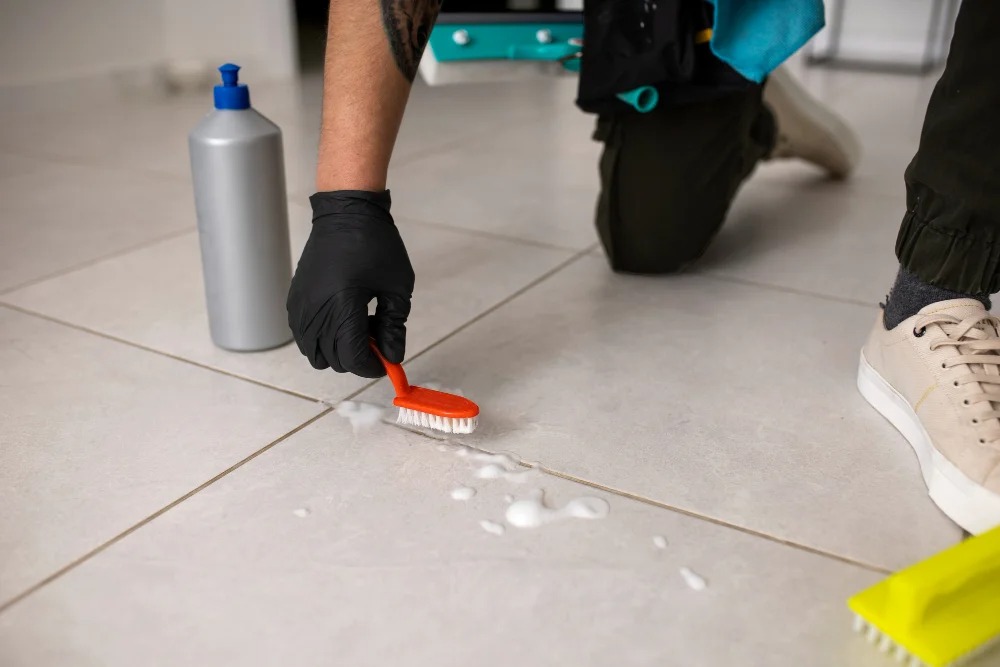
Ever looked down at your marble tiled floors and thought, “When did my grout turn from white to… whatever that is?” You’re not alone. Grout, the unsung hero holding our tiles together, often becomes the victim of neglect. But fear not! With the right techniques and a bit of elbow grease (or not, if you prefer), you can restore your grout to its former glory. At Clean and Shine Dubai, we specialize in bringing life back to your floors. Whether you’re a DIY enthusiast or prefer professional help, this guide covers all bases. Why Grout Cleaning Matters Grout isn’t just about aesthetics; it’s about hygiene and longevity. Dirty grout can harbor mold, mildew, and bacteria, posing health risks and deteriorating your tiles over time. Regular marble cleaning not only keeps your marble floors looking fresh but also extends their lifespan. Understanding Grout and Tile Types Before diving into cleaning methods, it’s crucial to identify your grout and tile types: Sanded Grout: Contains sand particles; used for wider joints. Unsanded Grout: Smooth texture; ideal for narrow joints. Epoxy Grout: Highly durable and stain-resistant. Tile surfaces vary too: ceramic, porcelain, natural stone; all requiring specific care. Knowing your materials ensures effective and safe cleaning. Further Read: Step-by-Step Guide – Marble Polishing Process How to Clean Grout Between Floor Tiles Preparation: Sweep or vacuum the area to remove loose dirt. Apply Cleaning Solution: Mix equal parts baking soda and water to form a paste. Apply it to the grout lines. Scrub: Use a stiff-bristled brush to scrub the grout. For tougher stains, a mixture of hydrogen peroxide and baking soda can be more effective. Rinse: Wipe the area with a damp cloth to remove residue. Dry: Ensure the area is thoroughly dried to prevent mold growth. How to Clean Floor Tile Grout Without Scrubbing Not a fan of scrubbing? You’re not alone. Here are some no-scrub methods: Steam Cleaning: Utilizing a steam cleaner can effectively loosen dirt and kill bacteria without chemicals. Oxygen Bleach: Mix oxygen bleach with water, apply to the grout, let it sit for 10–15 minutes, then rinse. Vinegar and Baking Soda: Sprinkle baking soda on grout, spray with vinegar, let it fizz, then wipe clean. These methods minimize physical effort while effectively cleaning grout. Read More: How to Restore the Glowing Brilliance of Your Marble Floor: Tips and Insights Best Way to Clean Grout on Floors – Expert Recommendations Experts suggest a combination of methods for optimal results: Regular Maintenance: Clean spills promptly and mop floors regularly to prevent buildup. Deep Cleaning: Schedule periodic deep cleans using appropriate methods based on grout and tile type. Professional Services: For extensive areas or stubborn stains, consider hiring professionals who use specialized equipment for optimal results. Check out Clean and Shine’s professional deep cleaning services to free yourself from all the dirt and grout woes! How to Clean Light Grout Without Discoloration Light-colored grout is prone to discoloration. To clean without causing damage: Use pH-neutral cleaners: Avoid acidic or alkaline cleaners that can cause discoloration. Avoid Bleach: Bleach can yellow light grout over time. Regular Sealing: Apply a grout sealer every 6–12 months to protect against stains. How to Clean Black Grout on Floor Tiles Black grout can fade or develop a white haze. To maintain its appearance: Avoid Harsh Cleaners: Acidic or bleach-based cleaners can cause fading. Use Mild Detergents: Opt for gentle, pH-neutral cleaners. Regular Cleaning: Prevent buildup that can cause discoloration. Proper Sealing: Seal black grout to protect against stains and fading. Get into details about black grout and how to prevent it by reading this guide on how to clean grout that has turned black. How to Clean Orange Stains in Shower Grout Orange stains are often caused by hard water or bacteria. To remove them: Vinegar Solution: Spray a mixture of equal parts vinegar and water onto the stains, let sit, then scrub gently. Baking Soda Paste: Apply a paste of baking soda and water, let it sit, then rinse. Hydrogen Peroxide: For persistent stains, apply hydrogen peroxide, let it sit, then rinse thoroughly. Read More: How can I make my marble floor shine? The Power of Steam: Why Steam Clean Grout Services Are a Game Changer Steam cleaning offers a chemical-free, efficient way to clean grout: Deep Cleaning: Steam penetrates grout pores, removing embedded dirt. Sanitization: Kills bacteria and mold without harsh chemicals. Eco-Friendly: Reduces the need for chemical cleaners. Professional steam cleaning services provide thorough and efficient grout cleaning solutions. Mistakes to Avoid When Cleaning Grout Overusing Harsh Chemicals: Can erode grout and damage tiles. Neglecting Sealing: Unsealed grout is more susceptible to stains and moisture. Using Abrasive Tools: Can scratch tiles and wear down grout. Inconsistent Cleaning: Irregular maintenance leads to stubborn stains and buildup. Long-Term Grout Maintenance Tips Regular Cleaning: Wipe down tiles and grout weekly to prevent buildup. Prompt Spill Management: Clean spills immediately to avoid staining. Periodic Sealing: Apply a grout sealer every 6–12 months. Use Door Mats: Reduce dirt tracked onto tiled floors. Consistent maintenance prolongs the cleanliness and integrity of your grout. Professional Services: A Worthwhile Investment Considering the challenges of grout cleaning, many homeowners opt for professional services. The average cost for tile and grout cleaning ranges from $0.76 to $0.94 per square foot, depending on various factors. While this might seem like an added expense, the benefits—thorough cleaning, time savings, and extended tile lifespan—often outweigh the costs. Why Choose Clean and Shine For residents in Dubai, Clean and Shine offers: Expertise: Trained professionals adept at handling various grout and tile types. Advanced Equipment: Utilization of state-of-the-art steam cleaning technology. Customized Solutions: Tailored cleaning plans to suit individual needs. Eco-Friendly Practices: Commitment to environmentally safe cleaning methods. Trust Clean and Shine for comprehensive grout cleaning services that restore the beauty of your floors. Conclusion Maintaining clean grout is essential for both the appearance and hygiene of your floors. By understanding the appropriate cleaning methods and committing to regular maintenance, you can ensure your tiles remain as stunning
The Ultimate Cleaning Companion – The Quest for the Best Mop for Floor Cleaning
Keeping our homes clean and tidy is a never-ending task, and one of the most essential aspects of maintaining a pristine living environment is proper floor cleaning. With an overwhelming number of options available, finding the perfect mop can be daunting. However, fear not! This blog will help you find the best mop for floor cleaning, considering ease of use, effectiveness, durability, and overall value. Get ready to discover your ultimate cleaning companion! Understanding Your Flooring Needs Before diving into the world of mops, it’s crucial to consider your specific flooring needs. Different types of flooring, such as hardwood, tile, laminate, or vinyl, may require different cleaning techniques and tools. Assessing the material and condition of your floors will help you make an informed decision when choosing the best mop for floor cleaning. The Traditional Wonder: Cotton String Mops Cotton string mops have long been a staple in households due to their versatility and affordability. These mops are excellent for absorbing spills, dusting, and general floor cleaning. Its absorbent properties make them ideal for larger areas and work well on various surfaces. However, they can be bulky and require frequent washing and replacement, which may become costly. The Modern Marvel: Microfiber Mops Thanks to their superior cleaning abilities and eco-friendly nature, microfiber mops have gained popularity in recent years. Microfiber mops easily attract and trap dirt, dust, and even microscopic particles. They glide smoothly across floors, making cleaning effortless and efficient. These mops are also known for quick drying time, preventing potential damage to sensitive flooring. Additionally, their reusable and machine-washable pads make them a cost-effective and sustainable choice. The Tech-Driven Champion: Steam Mops Steam mops might be your best bet if you’re seeking a deep-cleaning solution. These innovative mops use the power of steam to sanitize and disinfect floors, eliminating bacteria and allergens. With adjustable steam settings, they can adapt to various flooring types. Steam mops are an excellent choice for households with small children or individuals with allergies, as they provide a chemical-free cleaning experience. However, following manufacturer instructions is essential to avoid damaging delicate flooring. The Multitasking Maverick: Spray Mops Spray mops combine the convenience of a mop and a spray bottle into one efficient tool. These mops feature a refillable water reservoir and a spray trigger, allowing you to control the cleaning solution applied to the floor. The microfiber or disposable pads attached to the mop head capture dirt and grime. Spray mops are lightweight, easy to manoeuvre, and perfect for quick touch-ups or spot cleaning. While they may not offer the same deep-cleaning capabilities as other options, they are fantastic for regular maintenance. The Environmentally Conscious Choice: Reusable and Eco-Friendly Mops Reusable and eco-friendly mops are an excellent choice for those committed to reducing waste and minimizing their environmental footprint. These mops typically feature replaceable or washable pads and may be constructed from sustainable materials like bamboo or recycled plastics. Investing in these mops can contribute to a greener future while keeping your floors spotless. Choose the best mop for your home. Choosing the best mop for your home can seem like a daunting task with so many options available. Here’s a step-by-step guide on how to choose the best mop for floor cleaning: Assess Your Flooring Type Start by understanding the type of flooring you have in your home. Different flooring materials may require specific cleaning techniques and compatible mop types. For example, hardwood floors may need a gentle mop that doesn’t leave excess moisture, while marble floors may benefit from a more abrasive mop for deep cleaning. Consider whether your floors are hardwood, tile, laminate, vinyl, or another material and note any special care instructions. Determine Your Cleaning Needs Next, consider your cleaning needs and preferences. Are you looking for a mop for general maintenance, deep cleaning, or specific tasks like dusting or removing spills? Determine the level of cleaning you typically perform and the frequency of use. This will help you identify the features you need in a mop. Moreover, if you are living in an apartment, segregated home, or a villa. All of these have different cleaning needs. Consider Mop Types Various types of mops are available, each with advantages and disadvantages. Here are some common mop types to consider: Traditional Cotton String Mop: These are versatile and absorbent, making them suitable for general cleaning and spills. They are often cost-effective but require regular washing and replacement. Microfiber Mop: Microfiber mops excel in picking up dust, dirt, and pet hair. They are highly effective, lightweight, and easy to maneuver. Look for microfiber mops with reusable and machine-washable pads for convenience and cost savings. Steam Mop: Steam mops use steam to sanitize and deep clean floors. They are excellent for removing tough stains and killing bacteria and allergens. However, be cautious when using them on certain flooring types, as excessive moisture or heat can cause damage. Spray Mop: Spray mops feature a built-in spray mechanism to dispense cleaning solutions directly onto the floor. They are convenient for quick cleanups and often have reusable or disposable pads. Reusable and Eco-Friendly Mop: If sustainability is necessary, consider mops with replaceable or washable pads made from eco-friendly materials. These mops reduce waste and are environmentally conscious choices. Manoeuvrability and Ergonomics Ensure the mop you choose is easy to maneuver and comfortable to use. Look for features like a swivel head allowing you to quickly reach tight corners and under furniture. Consider the mop’s weight, handle length, and grip comfort, especially if you have large areas to clean or any physical limitations. Durability and Maintenance Invest in a mop that is durable and built to withstand regular use. Check the quality of materials and construction to ensure longevity. Additionally, consider the maintenance requirements of the mop. Some mops have machine-washable pads; others may need replacement pads or periodic maintenance. Reviews and Recommendations Lastly, read reviews and seek recommendations from friends, family, or online sources. Real-life experiences can provide valuable insights into the effectiveness and reliability