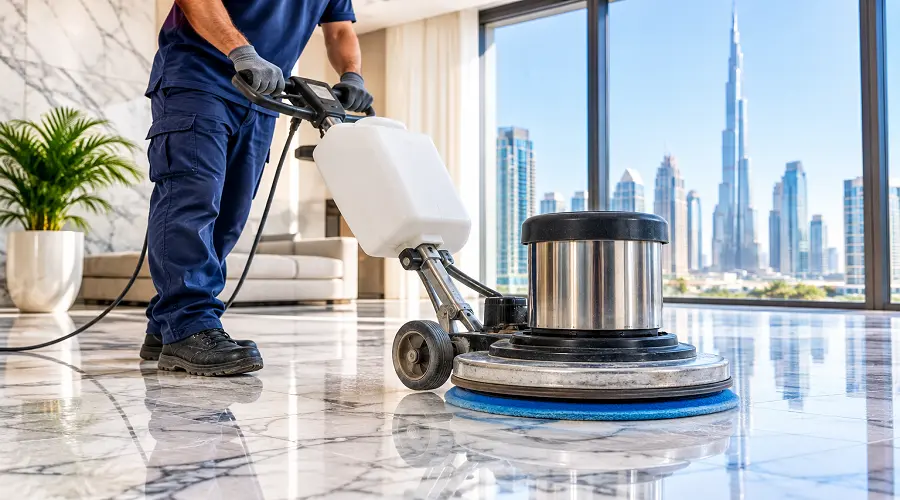
Imagine walking into your living room and noticing that the marble floor no longer has the shine it once did. There are dull patches near the entrance, small scratches around the furniture and marks that seem impossible to remove. You clean the floor, but somehow it still looks tired.
Does that mean the marble needs replacing? Not necessarily. In many cases, the stone underneath is still in good condition. It may simply need professional attention. Marble restoration Dubai services can help improve worn surfaces, remove certain types of damage and bring back much of the stone’s original appearance.
The Beauty of Marble Doesn’t Last Without Care
Marble is a natural stone, which means it has its own characteristics and requires a little attention. Unlike some artificial flooring materials, it can react to everyday substances and gradually show signs of use.
In Dubai, dust and fine sand are common challenges. The dirt enters through the entrance doors, settles down onto the floor and is moved about by shoes and cleaning machines. As time goes by, this can result in surface scratches and reduced shine.
Then there are accidental spills. Lemon juice, vinegar, coffee and some household cleaning products can leave marks on marble. Even dragging a heavy chair across the floor may cause damage.
The important thing is to understand that not every mark is the same. A stain, a scratch and an etched patch may look similar from a distance, but each needs a different treatment.
First, Understand What Your Marble Is Telling You
Before arranging restoration, take a closer look at the floor. The condition of the surface can offer useful clues.
- Cloudy areas: These may indicate etching, residue or a worn finish.
- Fine scratches: Usually found in areas such as corridors and doorways.
- Dark stains: Certain fluids and oil can seep through the porous material.
- Uneven edges: The materials will probably show differences in height over time.
- Small chips: They tend to appear in corners and edges that are exposed.
A professional inspection is likely to thoroughly evaluate the extent of the damage and at the same time provide advice, if the marble needs to be restored extensively or simply treated on the surface.
What Actually Happens During Marble Restoration?
The term restoration refers to improving the condition of the stone instead of just helping it become shiny. The first step in restoration is the inspection and cleaning of the stone.
First of all, if any dirt or debris are still stuck on the stone, they should be removed before the restoration begins. If the surface is scratched, or the tiles are uneven, then a professional will most likely resort to diamond grinding.
This removes a very thin layer of stone, so it is only used when necessary. For homeowners who prefer a reflective appearance, polishing can improve the shine after the surface has been properly prepared. Finally, a suitable sealer may be applied where appropriate to slow the absorption of liquids.
Choosing the Right Treatment for the Problem
Here is a simple comparison of common marble treatments:
| Treatment | When it is useful | Expected result |
| Deep cleaning | Dirt and surface residue | Cleaner appearance |
| Grinding | Unevenness and deeper surface damage | More level surface |
| Honing | Scratches and etching | Smooth, refined finish |
| Polishing | Dull appearance | Improved shine |
| Sealing | Reducing liquid absorption | Additional surface protection |
| Chip repair | Small damaged areas | Improved appearance |
It is important to remember that there are certain problems that polishing alone won’t fix. For example, if you want the surface of your metal to be smooth, you’ll have to address the scratches or irregularities before polishing your metal.
Is Restoration Better Than Replacing Marble?
This is a question many homeowners ask when their flooring starts looking old.
Replacement can be expensive and disruptive. Existing tiles need to be removed, the floor prepared and new marble installed. There may also be dust, noise and furniture movement to deal with.
Restoration can be a sensible alternative when the existing stone is structurally sound but has surface damage. It can enhance the look of the floor without replacing it completely. But in cases where tiles are too loose, cracked, or damaged, it might be necessary to either fix or replace them.
The best approach is determined not only by these visible features but also by the actual condition of the floor.
How Much Does Marble Restoration Depend On?
The cost for restoration is not the same for every property in Dubai. A small bathroom and a large villa with extensive marble flooring are very different projects.
The final quotation usually depends on:
- The total floor area.
- The type and condition of the marble.
- Whether grinding, honing or polishing is required.
- The number of damaged areas needing repair.
- Whether sealing is included.
- Accessibility and the amount of preparation involved.
When comparing quotations, check exactly which treatments are included. A low price may cover basic polishing but not repairs or deeper surface correction. Reach out to us for more details.
Don’t Give Up on Your Marble Just Yet!
What if the beautiful flooring you thought needed replacing only needed the right treatment?
Before you go out and buy new tiles, check to see if it is possible to renovate your current marble floor. Clean and Shine provides cleaning and marble maintenance services in the Dubai region to assist homeowners in keeping their properties well-maintained.
Get your flooring assessed, understand the available treatments and choose an approach that suits its condition.
Your marble has already added character to your home. With proper care, it may have plenty of life left in it.
Questions Homeowners Often Ask
1. Can badly worn marble be restored?
Many worn floors can be improved, although the results depend on the depth of the damage and the condition of the stone.
2. Does marble restoration remove scratches?
Yes. It is possible to polish marble and restore its surface by eliminating all types of scratches.
3. How long does the restoration process take?
It all depends on the size of the floor, extent of damage and means of treatment. A qualified inspection can determine how long the process will take.
4. Will restored marble stay shiny permanently?
No. Foot traffic, dust and cleaning habits gradually affect the finish. Regular maintenance helps preserve the results.
5. Can all marble stains be removed?
Not possible in every case. Some stains can be extremely deep in the marble, and though a professional may help fade them away, total removal of them may not be available.